
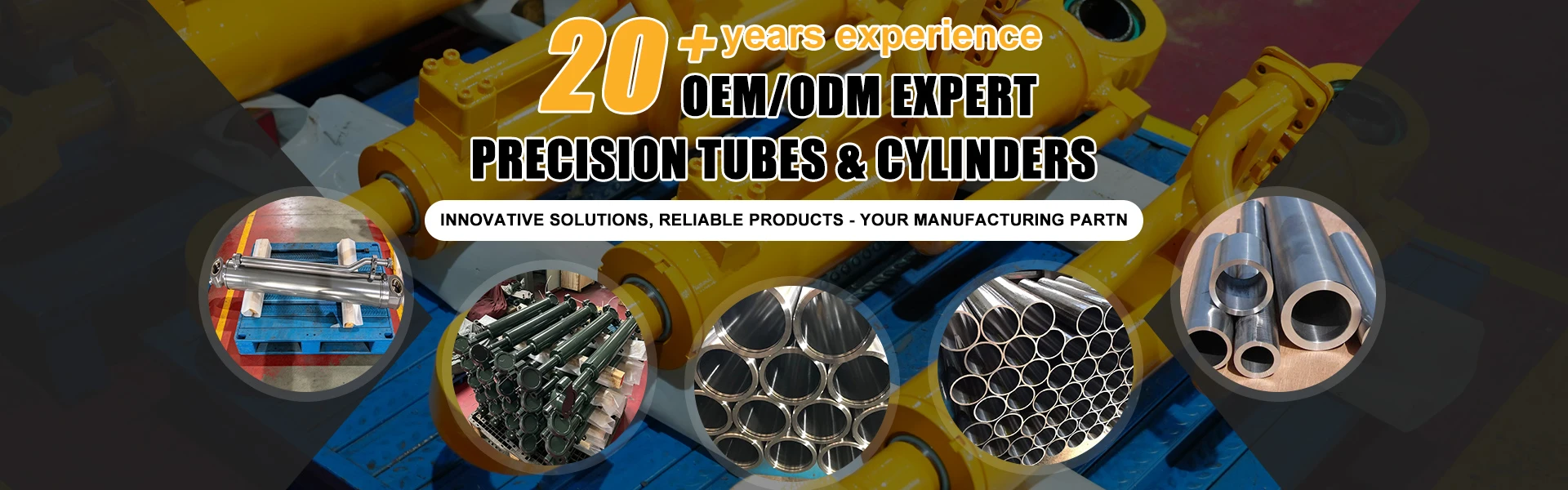
Cold-drawn tubes, as a key category of precision tubing, are widely used in automotive manufacturing, machining, and high-end equipment. Their quality directly impacts the performance and reliability of end products. In foreign trade, quality control of cold-drawn tubes is not only a technical issue but also a core indicator of a company's competitiveness.
The production process for cold-drawn tubes encompasses raw material selection, die design, drawing technology, and heat treatment, each requiring rigorous control. Raw material selection is fundamental; ensuring the steel's chemical composition is uniform and pure to avoid subsequent processing defects caused by inclusions or segregation. Die precision directly impacts tube dimensional tolerances. Using high-hardness alloy dies and regular grinding can effectively reduce wall thickness deviation and surface scratches. Speed control and lubricant selection are particularly critical during the drawing process. Proper parameter settings can reduce stress concentration in the material and improve tube ductility.
Quality inspection is the last line of defense for cold-drawn tubes before they leave the factory. Optical measuring instruments are used to inspect outer diameters and ovality, ultrasonic flaw detectors to detect internal cracks, and mechanical testing machines to verify tensile strength and elongation, ensuring that each batch of products meets international standards such as ASTM or DIN. Furthermore, surface treatment processes (such as pickling and passivation) must be standardized to prevent residues from affecting subsequent customer processing.
For foreign trade companies, establishing a full-process quality traceability system is crucial. Recording data at every stage, from raw material receipt to finished product shipment, not only facilitates problem tracing but also strengthens the trust of international customers. By continuously optimizing process parameters, introducing automated testing equipment, and collaborating with third-party inspection agencies, companies are able to consistently produce high-precision cold-drawn tubes, giving them an edge in the competitive global market.
Strict quality control is not only a reflection of technical management but also a commitment to customers. Only by paying meticulous attention to detail can we secure long-term partnership opportunities in international trade.


