
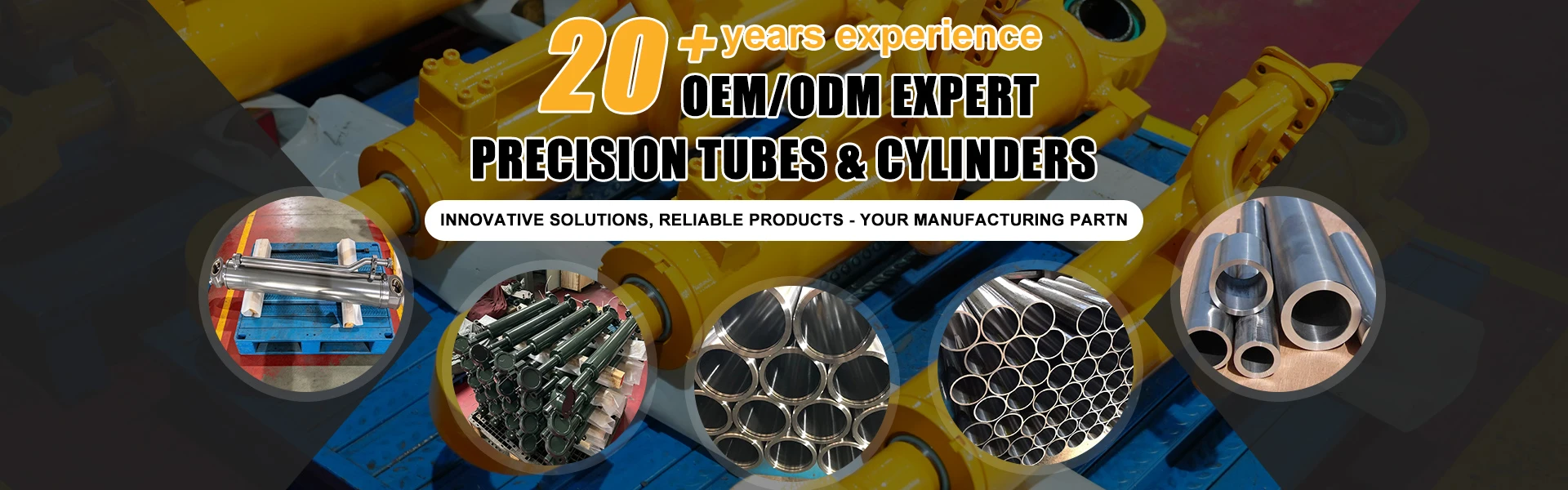
In the oil exploration and production sector, electric submersible pump (ESP) systems are highly efficient artificial lift devices. The performance of one of their core components-the pump casing-directly impacts the reliability, efficiency, and service life of the entire system. As a key component for fluid transport, mechanical support, and pressure sealing, ESP pump casings demonstrate significant advantages in the modern oil and gas industry thanks to optimized materials science, structural design, and manufacturing processes. The following discusses the core advantages of ESP pump casings from multiple perspectives.
1. High Strength and Corrosion Resistance: Ensuring Stability in Extreme Environments
ESP pump casings typically operate in complex environments characterized by high temperatures (reaching over 150°C), high pressures (tens of MPa or higher), and highly corrosive media (such as hydrogen sulfide, carbon dioxide, or highly salinized formation water). Traditional materials are susceptible to failure due to stress corrosion cracking, intergranular corrosion, or mechanical fatigue. Modern ESP pump casings, however, are often constructed of specialized alloy steels (such as chromium-molybdenum steel and super-duplex stainless steel) or engineered plastic composites. Through compositional manipulation and heat treatment, these materials possess superior overall performance. For example, chromium-molybdenum steel significantly improves its high-temperature strength and resistance to hydrogen embrittlement by adding chromium (Cr) and molybdenum (Mo). Duplex stainless steel, by combining the advantages of both austenitic and ferritic structures, offers both high toughness and strong resistance to chloride ion corrosion and pitting. This material selection ensures that the pump casing is less susceptible to deformation, cracking, or leakage during long-term operation, providing a fundamental guarantee for the continuous operation of the ESP system.
II. Precision Manufacturing and Flow Path Optimization: Improving Lifting Efficiency and Energy Consumption Control
The internal flow path design of the pump casing directly impacts the flow pattern and energy conversion efficiency of the fluid. Traditional pump casings may exhibit problems such as rough flow paths and abrupt transitions, leading to increased local turbulence and energy loss, reducing pump efficiency and increasing motor load. Modern ESP pump casings utilize computer-aided design (CAD) and computational fluid dynamics (CFD) simulation technologies to meticulously optimize key parameters such as flow path shape, inlet guide angle, and outlet diffuser. This ensures a smooth transition from the intake to the discharge end, minimizing flow separation and vortexing. Furthermore, the manufacturing process utilizes precision casting (such as lost wax casting) or CNC machining (CNC machining) to ensure extremely low flow channel wall roughness (Ra ≤ 0.8μm), further reducing fluid flow resistance. Experimental data shows that the optimized pump casing can improve the overall efficiency of the ESP system by 3%-8%, significantly reducing energy costs. This is particularly applicable in high-load scenarios such as deep wells and long-distance lift operations.
III. Modular Design and Ease of Maintenance: Reducing Lifecycle Costs
ESP system maintenance costs account for a significant proportion of oilfield operating expenses. As a partially replaceable core component, the modular design of the pump casing directly impacts maintenance efficiency and cost-effectiveness. Modern ESP pump casings generally utilize standardized interfaces and a split-body structure. For example, separate pressure-bearing casings and connecting flanges are designed, or various pump casing modules are available (e.g., single-stage and multi-stage combinations) to meet different displacement requirements. This design allows users to replace only the damaged pump casing while maintaining the integrity of other pump components (such as the impeller and guide casing), avoiding scrapping the entire pump. Furthermore, the modular interface standards are compatible with equipment from major ESP manufacturers, facilitating rapid on-site assembly and commissioning. In addition, some high-end pump casings feature integrated sensor mounting points (such as pressure and temperature monitoring points) to facilitate real-time monitoring of operating status, providing early warning of potential failures and further extending system life.
IV. Adaptability and Customized Services: Meeting Diverse Exploitation Needs
Global oil and gas reservoir types vary (such as shale gas, heavy oil, and ultra-deep wells), placing varying performance requirements on ESP pump casings. To address this challenge, leading manufacturers offer customized pump casing solutions, adjusting material formulations, wall thickness distribution, and structural design based on specific well parameters (such as depth, temperature gradient, media composition, and flow/head requirements). For example, for high-temperature, high-pressure gas wells, the pump casing may feature a thickened wall design and internal ribs to mitigate pressure fluctuations caused by gas expansion. For high-sand content oil wells, surface hardening treatments (such as nitriding and tungsten carbide spraying) enhance wear resistance and extend erosion life. This customized approach not only improves the compatibility of the ESP system with the wellbore but also helps operators reduce the risk of unplanned downtime and increase oil recovery.
Conclusion
The advantages of ESP pump casings are primarily reflected in their adaptability to extreme environments, improved system efficiency, and optimized lifecycle costs. From breakthroughs in materials science to innovative manufacturing processes and the widespread availability of customized services, modern ESP pump casings are no longer simply "containers" but core components that integrate functionality, reliability, and affordability. As oil and gas extraction expands into deeper and more complex reservoirs, technological advancements in ESP pump casings will continue to drive artificial lift systems toward greater efficiency and intelligence, providing critical support for a stable and sustainable global energy supply.


