
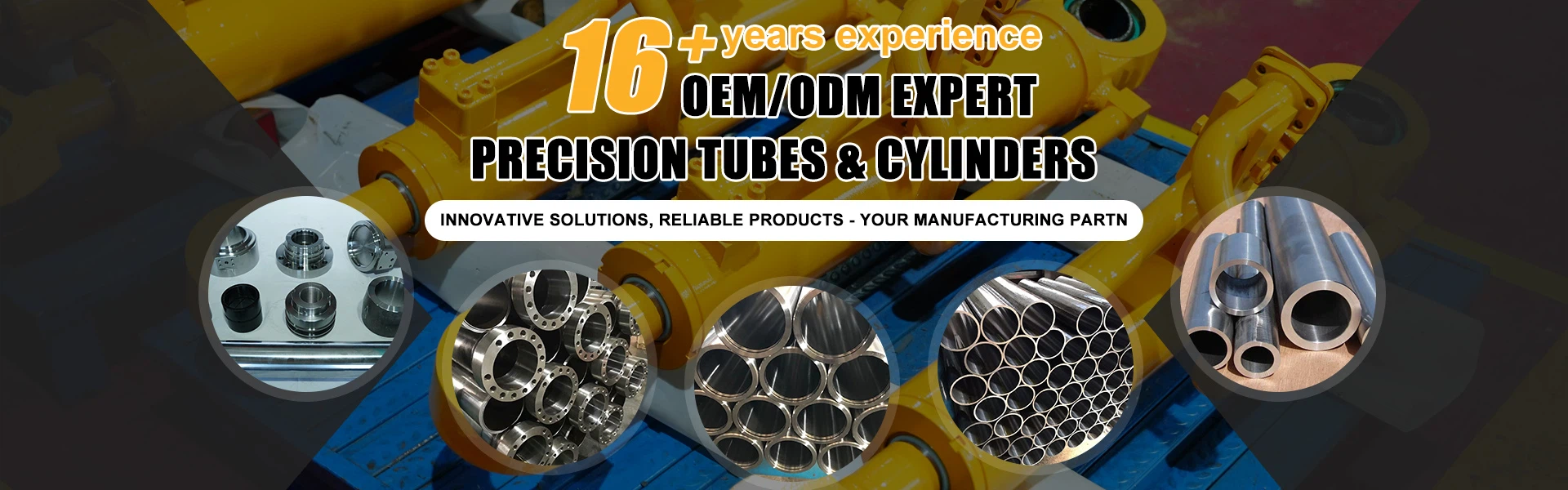


Electric Submersible Pump (ESP) systems are critical equipment in oil production. One of their core components, the pump casing, plays a crucial role in protecting the internal structure, maintaining fluid flow stability, and withstanding high-pressure environments. The design and manufacturing quality of the pump casing directly impact the reliability, efficiency, and service life of the ESP system. The following details the key characteristics of the ESP pump casing, focusing on material selection, structural design, pressure resistance, corrosion resistance, and machining precision.
Stringent Material Selection
ESP pump casings are typically constructed from high-strength alloys, such as stainless steel (e.g., 316L, 9Cr-1Mo) or nickel-based alloys, to meet the mechanical requirements under extreme operating conditions. These materials not only offer excellent tensile strength and fatigue resistance, but also maintain stability in the high-temperature, high-pressure oil well environment. Furthermore, titanium alloys or coatings may be used in some specialized applications to further enhance the material's wear and corrosion resistance.
Optimization of Structural Design
The structural design of the pump casing must balance fluid dynamics and mechanical strength. Its internal flow paths are typically carefully calculated to ensure smooth oil flow, minimizing turbulence and energy loss. The pump casing's design must facilitate installation and maintenance, and ensure efficient connection with other ESP system components (such as the motor and protector). The stacked structure of the multi-stage pump casing further enhances the system's head capacity, while the modular design simplifies production and maintenance.
Excellent Pressure Resistance
Because ESP systems are often used in deep well operations, the pump casing must withstand extremely high downhole pressures (often exceeding tens of MPa). Therefore, the pump casing's wall thickness, welding process, and seal design must all meet stringent pressure-resistant standards. Using techniques such as finite element analysis (FEA), engineers can optimize the pump casing's stress distribution to ensure it resists deformation or rupture under high-pressure environments. Furthermore, the pump casing's pressure-bearing capacity must be verified through procedures such as hydrostatic testing to ensure safety under actual operating conditions.
The Criticality of Corrosion Resistance
Oil well environments often contain corrosive gases (such as H₂S and CO₂) and salts, placing extremely high demands on the pump casing's corrosion resistance. Therefore, the pump casing material must be resistant to chemical attack or undergo surface treatment (such as electroplating or ceramic coating) to enhance its protective properties. Some high-end pump casings also utilize duplex stainless steel or super stainless steel to withstand extremely corrosive environments. Furthermore, optimized sealing structures can effectively prevent corrosive fluids from penetrating the pump casing.
Stringent Machining Precision
The machining precision of the pump casing directly impacts the overall performance of the ESP system. The tolerances of its inner and outer diameters, as well as threaded connections, must be kept within extremely tight limits to ensure perfect coordination with other components. The application of modern manufacturing technologies (such as CNC machine tools and precision casting) has enabled the pump casing to achieve industry-leading dimensional accuracy and surface finish. Furthermore, the widespread use of non-destructive testing (such as ultrasonic testing and X-ray testing) further ensures the internal quality of the pump casing.
Conclusion
As the core protective and support component of the submersible electric pump system, the ESP pump casing is distinguished by its high material strength, optimized structural design, excellent pressure and corrosion resistance, and stringent machining precision requirements. These features ensure the long-term, stable operation of the ESP system in complex oil well environments, providing a solid foundation for the efficient and safe production of oil. In the future, with advances in materials science and manufacturing technology, the performance of the ESP pump casing will be further optimized to meet the challenges of deeper wells and more demanding operating conditions.


