
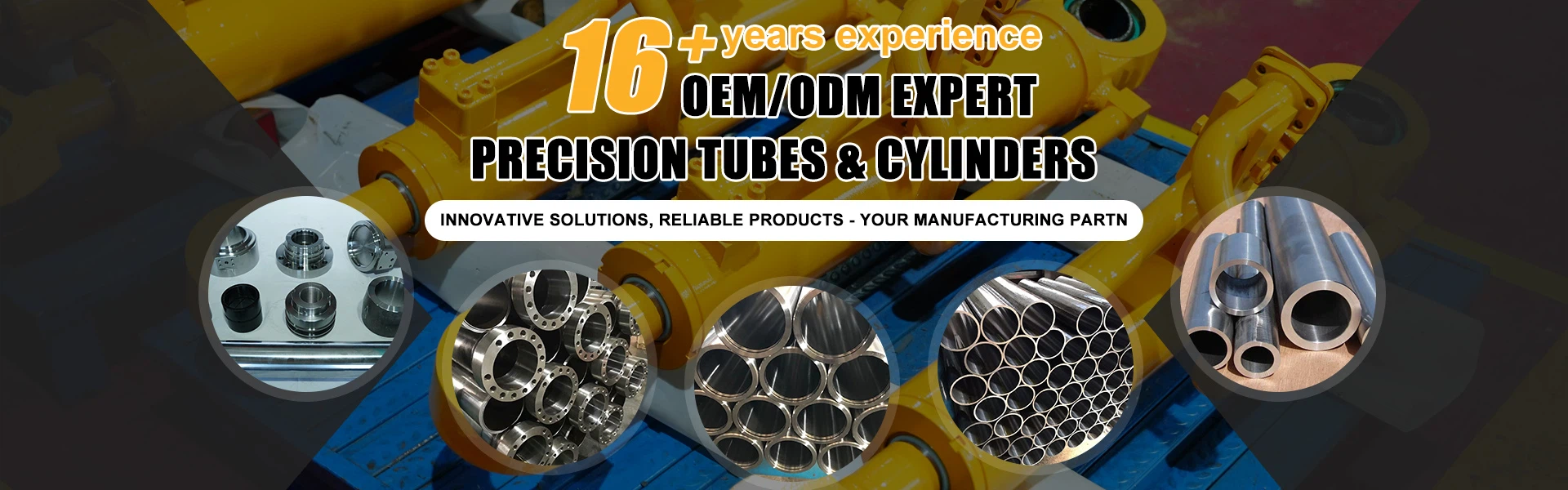


The ESP (Electrical Submersible Pump) system is a critical piece of equipment for efficient oilfield lift. While seemingly simple in structure, the pump casing, one of its core components, performs multiple essential functions throughout its operation. The pump casing not only serves as a fluid channel but also serves as a critical structural unit for system reliability, efficiency, and safety.
A Fundamental Carrier for Fluid Transport and Pressure Bearing
The pump casing's core function is to provide a closed flow path for downhole fluids. In an ESP system, a motor drives the multi-stage centrifugal pump impeller at high speed, drawing in well fluid from the bottom and gradually increasing its pressure. The fluid is ultimately delivered to the surface through the flow channel formed within the pump casing. The pump casing must precisely match the geometry of the impeller and guide vanes to ensure smooth fluid transition between stages, minimizing turbulence and energy loss. Furthermore, its structure must withstand the high-pressure downhole environment (typically reaching tens of MPa). High-strength alloy steels or nickel-based alloys are often used to withstand the dual effects of internal fluid pressure and external formation compression. A key barrier to mechanical protection and system stability. As the outer protective structure of the pump assembly, the pump casing's primary mission is to protect the delicate components within from the complex downhole conditions. Well fluids often contain sand, corrosive chemicals, and high-temperature, high-pressure gases. Surface hardening treatments (such as carburizing or spray-on ceramic coatings) or linings with corrosion-resistant materials (such as stainless steel and Hastelloy) effectively slow the progression of wear and erosion in the pump casing. Furthermore, the rigid design of the pump casing mitigates the impact of motor vibration on the impeller system, preventing mechanical failure due to resonance. Its flange connection ensures reliable sealing with components such as the tubing string and protector, preventing safety incidents caused by high-pressure fluid leakage.
Auxiliary Functions for Thermal Management and Efficiency Optimization
Although ESP systems primarily rely on the well fluid itself to cool the motor, the pump casing also plays an indirect role in thermal management. High-speed fluid flow within the pump casing dissipates some frictional and compression heat, reducing local temperature peaks. Advanced designs further improve heat transfer by adding cooling fins to the pump casing's exterior or optimizing the curvature of the flow channels, thereby extending the service life of seals and bearings. Furthermore, the streamlined interior design of the pump casing reduces fluid separation and secondary flow, improving the pump's overall hydraulic efficiency and indirectly reducing system energy consumption.
Engineering Considerations for Installation, Adaptability, and Maintenance Ease
The pump casing's structural design must strictly adhere to API (American Petroleum Institute) or ISO standards to ensure compatibility with various motor models, protectors, and downhole tools. Interface dimensions (such as thread sizes and locating seams) must be precisely controlled to enable fast assembly and precise alignment. Some modular pump casings feature a split design, facilitating on-site replacement of damaged components or adjustment of the number of pump stages, significantly reducing maintenance costs and downtime.
In summary, while the ESP pump casing does not directly participate in energy conversion, it serves as the system's fundamental support structure, carrying fluid, protecting components, optimizing efficiency, and ensuring installation compatibility. This critical component ensures the long-term, stable operation of the ESP. With advances in materials science and fluid dynamics, pump casing design will continue to evolve towards lightweighting, corrosion resistance, and intelligent monitoring to meet the demands of deeper wells and more complex fluid environments.


