
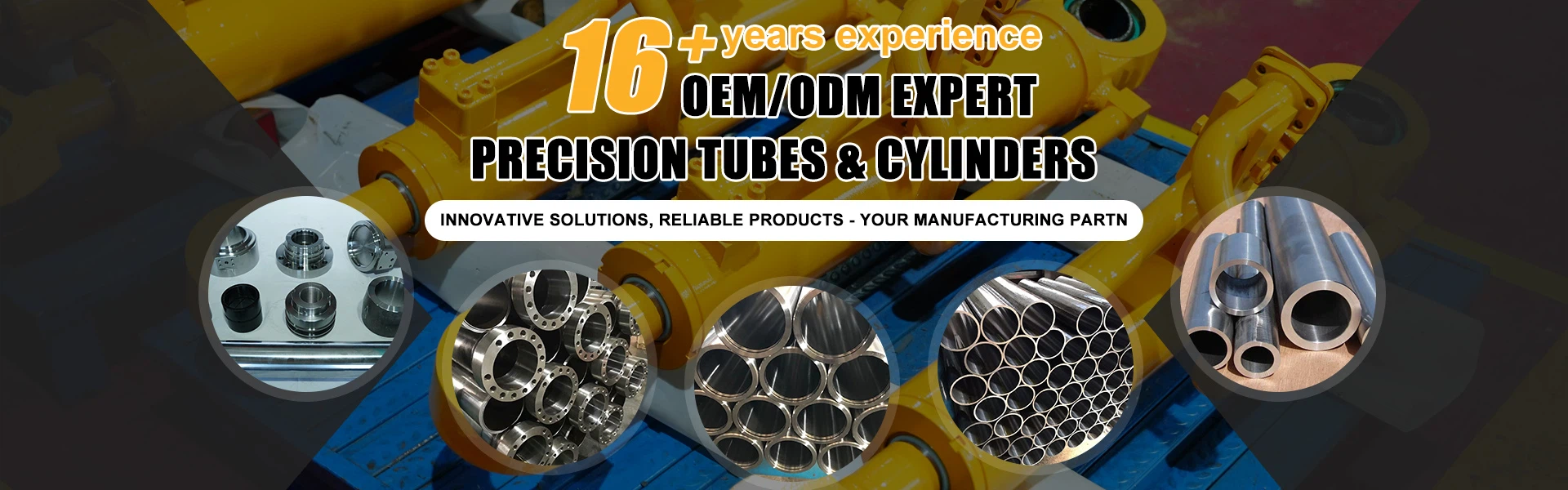


As the core actuator in a hydraulic system, the performance of a hydraulic cylinder directly impacts the equipment's operating efficiency and service life. To ensure long-term, stable operation, scientific and standardized maintenance is essential. This article details hydraulic cylinder maintenance methods and key precautions.
I. Regular Cleaning and Inspection
Prolonged exposure to dust, oil, or corrosive environments can easily lead to seal wear and scratches on the cylinder body. Therefore, the cylinder body should be cleaned regularly to prevent impurities from entering the hydraulic system. During inspection, focus on the following areas:
1. Cylinder Barrel Inner Wall: Observe for signs of strain, wear, or corrosion. Use an endoscope for auxiliary inspection if necessary.
2. Piston Rod: Inspect the surface for smoothness and rust or scratches. Minor damage can be repaired with fine sandpaper; severe damage requires replacement.
3. Seals: Inspect the seals for aging, deformation, or oil leakage, and replace any failed seals promptly.
2. Lubrication and Rust Prevention
Piston rod lubrication directly impacts the smooth movement and service life of the hydraulic cylinder. Regularly apply special hydraulic oil or grease to prevent wear caused by dry friction. For hydraulic cylinders in open air or humid environments, anti-rust measures are required:
•Spray rust-proof oil or anti-corrosion coating to prevent direct contact between moisture and air and the metal surface.
•Hydraulic cylinders that have been out of service for an extended period should have their internal hydraulic oil drained and refilled with rust-proof oil for protection.
III. Hydraulic Oil Maintenance
The quality of hydraulic oil directly affects the operating efficiency and lifespan of hydraulic cylinders. The following principles should be followed:
1. Regularly replace hydraulic oil: Replace hydraulic oil according to the recommended interval in the equipment manual, typically every 1000-2000 hours or six months to one year.
2. Filter impurities: Install a high-precision filter and regularly clean or replace the filter element to prevent particulate contaminants from entering the hydraulic cylinder.
3. Check the oil temperature: Excessive hydraulic oil temperature can accelerate seal aging. Ensure good heat dissipation in the system and keep the oil temperature within the 40-60°C range.
IV. Proper Use and Operation
Improper operation can accelerate damage to hydraulic cylinders, so please note the following:
1.Avoid Overloading: Operate strictly within the equipment's rated load. Overloading can cause piston rod bending or cylinder deformation.
2.Smooth Starts and Stops: Sudden acceleration and deceleration can generate shock pressure, which can affect the life of seals and the cylinder. Ensure smooth operation.
3.Avoid High-Speed Operation with No Load: High-speed operation without load can cause abnormal wear of internal cylinder parts. Avoid such conditions.
V. Regular Testing and Troubleshooting
Perform pressure tests and functional checks on hydraulic cylinders regularly to ensure proper operation. If any of the following issues are detected, address them promptly:
•Oil Leakage: Check seals, joints, or the cylinder for damage, and tighten or replace the relevant components.
•Sluggish Movement: This may indicate hydraulic oil contamination or blockage; flush the system and replace the hydraulic oil.
•Unusual Noise: This may be caused by air intrusion or worn parts; bleed air or repair is necessary.
Conclusion
Hydraulic cylinder maintenance is crucial to ensuring efficient operation of the hydraulic system. Regular cleaning, lubrication, hydraulic oil maintenance, and proper operation can significantly extend the life of hydraulic cylinders and reduce failure rates. It is recommended to develop a detailed maintenance plan and strictly adhere to it to ensure long-term stable operation of the equipment.


