
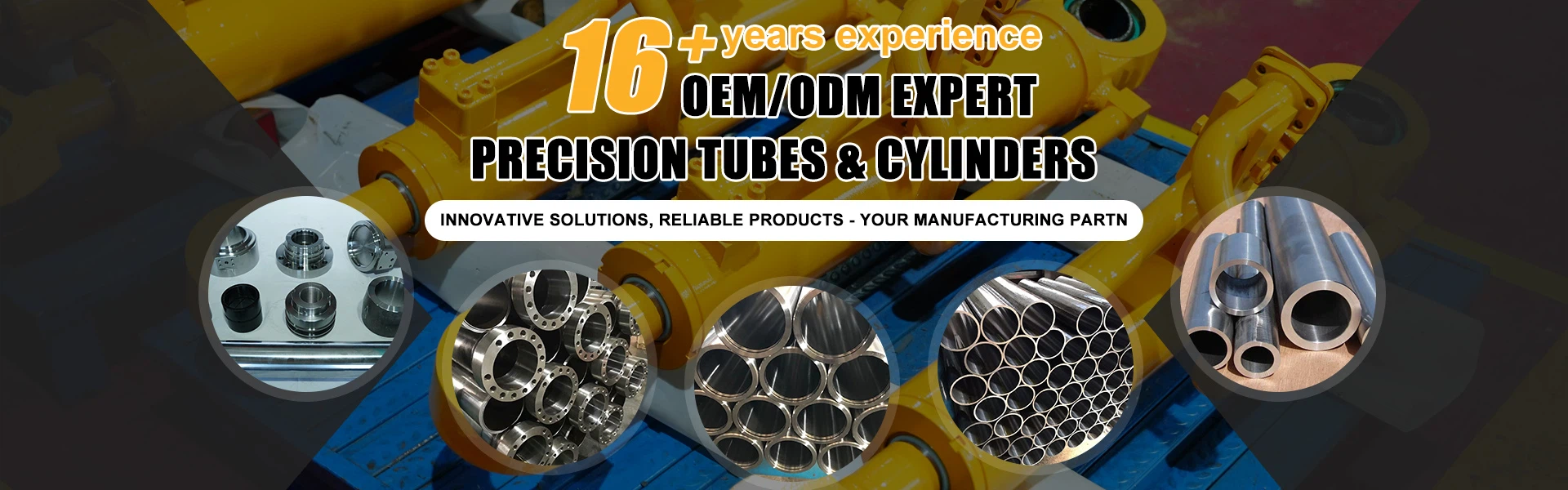


Cold-drawn tubes, as high-precision, high-strength metal tubes, are widely used in machinery manufacturing, the automotive industry, the petrochemical industry, and aerospace. Their excellent mechanical properties and dimensional accuracy rely on rigorous production processes and scientific post-maintenance. However, many companies often neglect the maintenance cycle management of cold-drawn tubes in actual use, resulting in degraded tube performance, shortened service life, and even safety accidents. Therefore, establishing a reasonable cold-drawn tube maintenance cycle and strictly adhering to it are key to ensuring long-term stable operation.
Characteristics and Maintenance Necessity of Cold-Drawn Tubes
Cold-drawn tubes are produced through the cold drawing process (i.e., drawing through a die at room temperature). They have a dense microstructure, a smooth surface, high tensile strength, and dimensional accuracy. However, during long-term storage or use, cold-drawn tubes may be affected by environmental factors (such as humidity and corrosive media) and mechanical stress (such as vibration and friction), resulting in surface oxidation, corrosion, or fatigue damage. Without timely maintenance, these damages will gradually accumulate, ultimately affecting the pipe's load-bearing capacity and service life.
Basis for Determining Cold-Drawn Tube Maintenance Cycles
The maintenance cycle for cold-drawn tubes is not fixed; it requires a comprehensive assessment based on the operating environment, operating conditions, and material properties. Key influencing factors include:
1. Operating Environment: In environments with humidity, salt spray, or strong chemical corrosion, oxidation and corrosion rates accelerate for cold-drawn tubes, and the maintenance cycle should be shortened accordingly. For example, in coastal areas or the chemical industry, a comprehensive inspection and anti-rust treatment are recommended every 3-6 months.
2. Load and Stress Conditions: If cold-drawn tubes are subjected to high-frequency vibration, impact, or high-pressure loads, they are at increased risk of fatigue damage. Therefore, it is recommended to inspect the surface for cracks or deformation every 1-3 months.
3. Surface Treatment: Cold-drawn tubes that have undergone anti-corrosion treatments such as galvanizing, nickel plating, or painting offer enhanced corrosion resistance, and the maintenance cycle can be extended to 6-12 months. Tubes without special treatments require more frequent maintenance.
Scientific Maintenance Cycle Recommendations
Based on industry practice and materials science theory, the following standards should be used as a reference for the maintenance cycle of cold-drawn tubes:
1.Short-term Maintenance (1-3 months): Applicable to cold-drawn tubes in high-stress, high-corrosion environments. Focus on inspecting the surface for scratches, corrosion spots, or areas of stress concentration, and perform necessary cleaning and rust prevention treatments.
2.Medium-term Maintenance (3-6 months): Applicable to general industrial environments. Maintain surface cleaning, lubrication (such as on sliding surfaces), and repair of minor corrosion.
3.Long-term Maintenance (6-12 months): Applicable to cold-drawn tubes in low-stress, dry environments. Focus on inspecting overall structural integrity and perform rust prevention coatings or oil seals.
In addition, even for cold-drawn tubes stored for long periods of time, even if not in use, environmental compatibility checks should be conducted every six months to prevent oxidation or stress relaxation caused by prolonged non-use.
Maintenance Measures and Implementation Key Points
A scientific maintenance cycle must be combined with effective maintenance measures to achieve maximum effectiveness. Common maintenance methods include:
•Surface cleaning: Regularly remove oil, dust, and corrosive residue to prevent long-term chemical adhesion.
•Rust prevention: Enhance corrosion resistance with rust-proofing oil, spraying, or electroplating.
•Mechanical inspection: Use nondestructive testing (such as ultrasonic testing) to detect internal defects and ensure structural safety.
•Storage management: Store in a dry and ventilated environment, avoid contact with corrosive substances, and use appropriate support to prevent deformation.
Conclusion
Careful maintenance cycle management for cold-drawn tubes is crucial for ensuring stable performance and extending their service life. Companies should develop a scientific and reasonable maintenance plan based on actual operating conditions and strictly implement regular inspections and maintenance. Standardized maintenance cycle management can not only reduce equipment failure rates, but also improve production efficiency and mitigate the economic losses and safety risks caused by tube failure. In the future, with advances in materials science and surface treatment technologies, maintenance strategies for cold-drawn tubes will be further optimized, providing a stronger guarantee for reliable application in various industries.


